

Nutrition for Vitality
The human body operates as a complex system that relies on consistent, diverse nutrition to maintain optimal physiological function. Every cell, tissue, and organ depends on specific nutrients to perform its designated role in maintaining overall health and daily energy levels. The relationship between what we consume and how we feel is deeply rooted in biochemistry—certain nutrients act as cofactors in energy production, while others support muscle function, cognitive clarity, and immune resilience.
This educational resource explores the science behind natural food sources and the nutrients they contain. We discuss how different nutritional components contribute to the maintenance of normal physiological processes in adults. Understanding these connections helps individuals make informed choices about dietary variety without making medical claims or prescriptive recommendations.
Essential Daily Nutrients
Certain nutrients are recognized as essential because the human body cannot synthesize them in adequate quantities and must obtain them through food sources. Below is an overview of key nutrients and their roles in maintaining normal physiological function:
| Nutrient | Role in Body | Food Sources |
|---|---|---|
| Omega-3 Fatty Acids | Support cardiovascular and neurological function | Fatty fish, walnuts, flaxseed |
| Vitamin E | Acts as an antioxidant, supports cellular health | Nuts, seeds, leafy greens |
| Folate (Vitamin B9) | Essential for cell division and DNA synthesis | Leafy greens, legumes, asparagus |
| Magnesium | Supports muscle function and energy metabolism | Seeds, nuts, whole grains, leafy vegetables |
| Antioxidants | Help neutralize oxidative stress in cells | Berries, dark leafy greens, vegetables |
Natural Sources
Examples of foods rich in specific nutrients often discussed in nutritional science:

Mackerel
Rich in omega-3 fatty acids and vitamin D. Fatty fish like mackerel has been studied for its role in cardiovascular health maintenance.

Hazelnuts
Contains vitamin E and magnesium. These nuts provide plant-based sources of nutrients important for cellular function and energy metabolism.

Arugula
A leafy green rich in folate and vitamin K. Cruciferous vegetables like arugula have been the subject of numerous nutritional studies.
Omega-3 Fatty Acids
Omega-3 fatty acids are polyunsaturated fats that play a crucial role in numerous physiological processes. These essential fatty acids cannot be synthesized by the human body and must be obtained through dietary sources. Research has consistently shown that omega-3 fatty acids contribute to maintaining normal cardiovascular function, supporting brain health, and reducing systemic inflammation.
The two primary long-chain omega-3 fatty acids are EPA (eicosapentaenoic acid) and DHA (docosahexaenoic acid). These are found predominantly in fatty fish such as salmon, mackerel, herring, and sardines. Plant-based sources like flaxseeds, walnuts, and chia seeds contain ALA (alpha-linolenic acid), which the body converts to EPA and DHA, though conversion efficiency is relatively low.

Daily intake recommendations suggest consuming omega-3 rich foods several times per week. The specific amount depends on individual factors and should be discussed with a healthcare provider. Natural sources are preferred over supplementation unless otherwise indicated by a medical professional.
Vitamin E in Natural Foods
Vitamin E is a fat-soluble antioxidant that protects cells from oxidative damage caused by free radicals. Unlike water-soluble vitamins, vitamin E is stored in the body's fatty tissues, which means regular consumption helps maintain adequate levels over time.
Natural food sources of vitamin E include almonds, sunflower seeds, hazelnuts, pine nuts, and various leafy greens. Vegetable oils such as sunflower oil and wheat germ oil contain high concentrations of vitamin E, though whole food sources are generally preferred for their additional nutritional benefits and dietary fiber.

The recommended dietary allowance for vitamin E in adult males is 15 mg per day. Consuming a variety of nuts, seeds, and leafy vegetables typically provides adequate vitamin E without the need for supplementation, unless a deficiency has been identified through medical testing.
Folate in Daily Diet
Folate, also known as vitamin B9, is a water-soluble vitamin essential for DNA synthesis and cell division. It plays a particularly important role during periods of rapid cell growth, though its functions are relevant throughout life for maintaining healthy tissue and proper metabolic function.
Rich natural sources of folate include dark leafy greens such as spinach, kale, and romaine lettuce, as well as legumes like lentils and chickpeas, asparagus, broccoli, and Brussels sprouts. Fortified grains also contain significant amounts of folate, though obtaining folate from whole plant foods is considered optimal by nutrition scientists.
Adult males require approximately 400 micrograms of folate daily. Meeting this requirement through dietary sources is straightforward—consuming two to three servings of leafy greens or legumes daily typically provides adequate folate intake. Folate deficiency is relatively rare in populations with access to diverse food sources.
Magnesium Everyday Sources
Magnesium is a mineral involved in over 300 enzymatic reactions within the human body. It plays critical roles in energy production, muscle and nerve function, and the regulation of blood glucose levels. Magnesium is also important for supporting normal sleep patterns and stress response mechanisms.
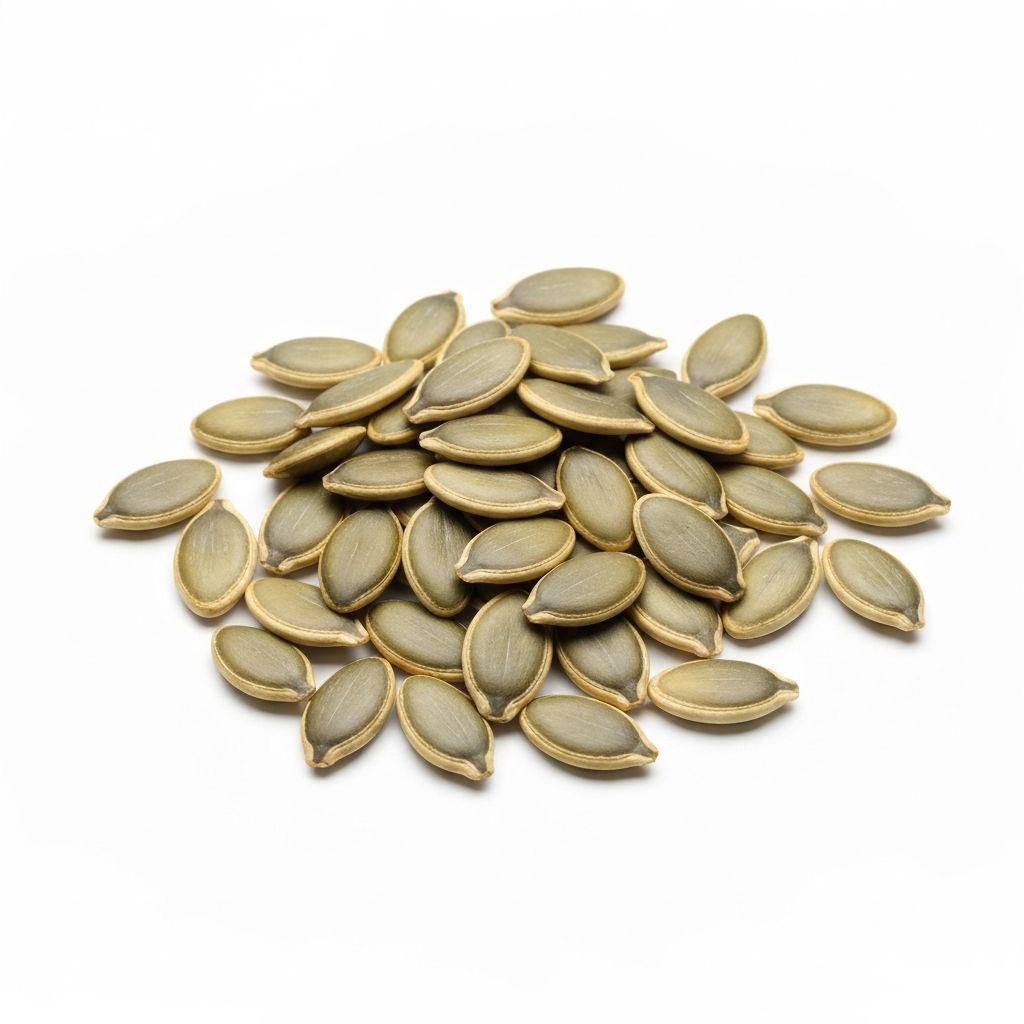
Excellent food sources of magnesium include pumpkin seeds, sunflower seeds, almonds, spinach, black beans, and whole grain foods like oatmeal and brown rice. Dark leafy greens are particularly rich in magnesium, as the mineral is a central component of chlorophyll molecules.
The recommended dietary allowance for magnesium in adult males is 400-420 mg daily. Most people can obtain adequate magnesium through a balanced diet rich in whole grains, legumes, nuts, and vegetables. Magnesium supplementation is sometimes recommended by healthcare providers, but food-based sources are generally considered the first-line approach.
Antioxidant Daily Options
Antioxidants are compounds that help prevent oxidative damage in the body by neutralizing free radicals—unstable molecules that can damage cellular components. While the body produces its own antioxidant defense systems, dietary sources of antioxidants provide additional support.
Major classes of dietary antioxidants include polyphenols, flavonoids, and carotenoids. These compounds are naturally present in colorful plant foods, which is why nutritionists emphasize consuming a diverse range of fruits and vegetables with different colors.


Common antioxidant-rich foods include berries (blueberries, raspberries, strawberries), dark leafy greens (spinach, kale), tomatoes, carrots, bell peppers, and dark chocolate. Consuming a variety of these foods throughout the day helps ensure a broad spectrum of antioxidant compounds in your diet.
Balanced Intake Context
Nutritional balance refers to obtaining adequate amounts of all essential nutrients while maintaining appropriate caloric intake. Balance is achieved through variety—consuming foods from all major food groups provides a more complete nutritional profile than relying on a limited selection of foods.
The concept of balance also considers macronutrients (carbohydrates, proteins, and fats) and micronutrients (vitamins and minerals). While individual nutritional needs vary based on age, activity level, health status, and other factors, general guidelines recommend that approximately 45-65% of daily calories come from carbohydrates, 10-35% from protein, and 20-35% from fats.
It is important to recognize that balanced nutrition is not a one-size-fits-all approach. Some individuals may have increased nutritional needs due to medical conditions, medications, or lifestyle factors. In such cases, consultation with a registered dietitian or healthcare provider is appropriate to determine individualized nutritional strategies.
Variety in Meals
Dietary variety serves multiple important functions. First, consuming diverse foods ensures exposure to a broad spectrum of nutrients—each food contains a unique combination of vitamins, minerals, and bioactive compounds. No single food provides all essential nutrients in optimal proportions.

Second, variety prevents potential issues with nutrient imbalances or excessive consumption of any single compound. Some nutrients can be harmful in very high amounts, so spreading intake across diverse sources helps maintain physiological balance.
Third, dietary variety supports the health of the gut microbiome—the community of beneficial bacteria in the digestive system. Different plant foods provide different types of dietary fiber, which feed specific bacterial populations. A diverse microbiome is associated with better overall health outcomes.
Practical strategies for increasing dietary variety include shopping at farmers' markets, trying new recipes, exploring different cuisines, and rotating seasonal foods throughout the year. Aiming for "eating the rainbow"—consuming foods of different colors—is a simple framework for ensuring variety.
Regular Nutrition Notes

Consistency in eating patterns supports metabolic function and energy levels throughout the day. Skipping meals can lead to excessive hunger later, which often results in overconsumption or less nutritious food choices. Regular eating patterns—typically three meals plus one or two snacks—help maintain stable blood glucose and energy levels.
Meal timing also matters. Breakfast helps break the overnight fast and provides nutrients and energy for cognitive and physical function throughout the morning. Including protein at each meal helps maintain satiety and supports muscle protein synthesis, which is particularly important for maintaining muscle mass as we age.
Hydration is an often-overlooked component of daily nutrition. Water is essential for virtually all physiological processes, from digestion to temperature regulation to nutrient transport. The general recommendation is to drink sufficient water to maintain pale yellow urine color, though individual needs vary based on activity level, climate, and health status.
Scientific Vitality Facts
Modern nutritional science is built on decades of research involving thousands of studies. Key findings consistently support several core principles:
- Plant diversity promotes health: Populations consuming high quantities of diverse plant foods have lower rates of chronic disease and longer life expectancy.
- Whole foods superior to supplements: Obtaining nutrients from whole foods is generally more effective than supplementation, as foods contain multiple synergistic compounds.
- Nutrient interactions matter: Some nutrients enhance the absorption or utilization of others (for example, vitamin C enhances iron absorption), while others compete for absorption.
- Individual variation is substantial: Genetic factors, gut microbiota composition, and metabolic differences mean that people respond differently to the same dietary interventions.
- Sustainable patterns matter most: Long-term adherence to a healthy dietary pattern is more important than short-term perfection or restrictive approaches.
Learn More
We provide educational information about natural nutrient sources and their biological roles. For personalized dietary guidance, consult with a healthcare provider or registered dietitian.
Read Additional Information